
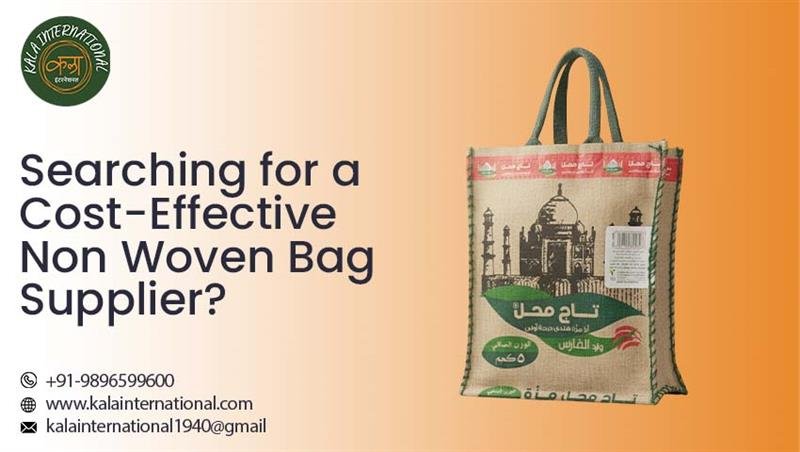
The contemporary high-paced packaging environment has put all businesses in a continuous struggle of quality, sustainability and cost. When the market is flooded with Non Woven Bag Supplier options that make big promises but fail them, it may be a daunting task to find the one that delivers on its promises.
We will positively take you through what constitutes cost-effectiveness beyond a price in this blog, how the appropriate supplier makes value over the long term, what practical considerations you ought to take before deciding to make a decision so that you make wise choices, decisions which are made with confidence and sustainably.
Rising Demand of Non-Woven Bags
The world trend on the use of eco-friendly packaging has been the major trigger in the demand of the non-woven bags. These bags are reusable, recyclable, light weight, and can be used in different industries like retail, grocery, fashion, exhibitions, and corporate gifting. Increasing demand, however, comes with fluctuating quality standards and price formations in the chain of supply.
Not all Non Woven Bag Suppliers are trustworthy sellers; one has to provide reliability in the strength of the fabrics, finishing process, customization, and delivery periods. Cost-effectiveness, in turn, turns out to be a combination of longevity, repeatability, and image of a brand as opposed to low initial price.
What Does The Cost-Effective Actually Imply in Packaging?
Most of the buyers always equate cost-effective to the lowest possible price. As a matter of fact, the most cost effective solution is one which minimizes replacements, facilitates branding and is sustainable.
Smart buyers are judging:
- Fabric GSM consistency
- Load-bearing capacity
- Print sharpness and the colour retention.
- Reusability cycles
- Bulk supply reliability
Optimization of these factors leads to a reduction in long-term costs and improved customer perception by the business.
The Unseen Benefit of selecting the Right Supplier
- Enhanced Operational Effectiveness:The maintenance of the necessary quality, and a reduction in the number of problems in production.
- More Competent brand representation:
A business supplier assists in choosing bag designs, finishes, and printing that will make the brand more visible and appealing. - Use-Case Based Solutions:
Store-label brands like laminated bags have the advantage of being stylish whereas grocery firms require robust and high capacity items. - Aligned Business Goals:
The correct supplier identifies production capabilities with your goals and every bag provides functional and branding value.
The Critical Evaluation Factors Buyers Often Miss
Interestingly, most of the procurement decisions do not consider little and important issues. These factors tend to distinguish between mediocre and cost effective suppliers:
- Material TransparencyThe information on the specific composition of the raw material will make it durable and compliant to the eco norms.
- Customization SupportThe supplier who allows printing of logos, varying size, and handle options to be customized to add branding value without spending much money.
- ScalabilityThe more your business expands, the more you need packaging. A scalable supplier eliminates the problem of sourcing disruption in the future.
- Quality Control ProcessesRegular quality eliminates rejections, returns, and customer complaints.
A Fast Comparison Guide of Shrewd Consumers
The following is a straightforward and innovative table on assessing the value of suppliers other than price:
Applications in the Industry That Require Intelligent Supplier Decisions
- Retail and fashion: Aesthetic and print quality.
- Strength and volume capacity: Supermarkets.
- Pharmaceuticals: Cleanliness and longevity.
- Events & Exhibitions: Branding and light design customization.
Long-term Partnerships versus Short-Term Savings
The Importance of Reliability to Smart Businesses
- On-Time Deliveries: Makes it easy and stress-free to operate or to plan the inventory.
- Specification Accuracy: Performs the quality and the design of every batch to the agreed standards.
- Constant Production: Consistent throughout the orders safeguards brand image.
- Economy of Costs: Saving of time, resources and management effort is saved in the long term.